


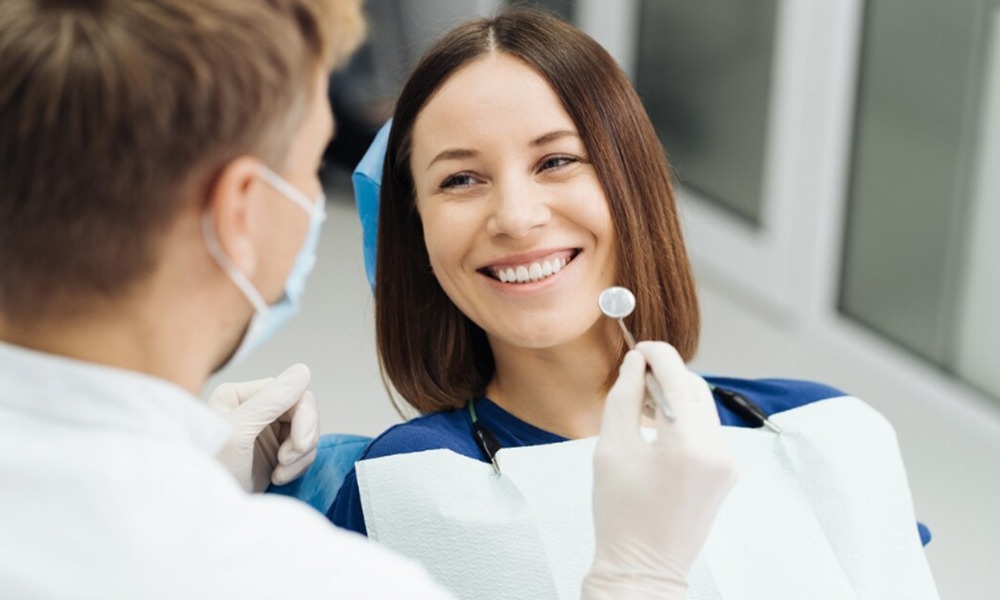
Missing Teeth Change Everyday Routines
Missing lots of teeth-even every single one-shifts daily life harder than most think. At the start, it feels about looks. Attention sticks to grins in pictures or faces while talking. Still, losing teeth stretches past how things show on skin.
Missing several teeth might make eating tougher than before. Chewing things like apples or meats could start to sting, slow down, or just stop working right. Soft options often take over-think mashed potatoes replacing steaks. One skipped bite leads to another, then habits shift without notice. What lands on the plate day after day begins shaping health in quiet ways.
Voices might sound a bit off. Since teeth help form specific sounds, losing some can quietly alter speech patterns. On top of that, the layout inside the mouth could start drifting. When real tooth roots go missing, the jawbone often thins slowly, possibly shifting how the face looks down the line.
Now things have shifted, so lots of people start searching for ways to get their abilities back-along with a sense of self-assurance.
Modern Ways to Replace Teeth
These days, teeth replacements work much better, feeling solid and close to real. One strong choice now is full mouth dental implants, built to fill in every gap left by lost teeth while keeping the jawbone firm and supported.
Not like regular false teeth resting on the gum line, these go straight into the jaw. Tiny rods made of titanium get set exactly where real tooth roots were before. This metal shows up often in health care since bone tends to bond tightly with it over time.
Over time, nearby bone begins to link itself tightly around the new implant through regular body repair. Because of this fusion, artificial teeth gain something solid to hold onto once added afterward. When recovery finishes, specially shaped prosthetic teeth are fixed into place using those anchored posts-bringing back how real teeth look while working just like them too.
Stability Changes Outcomes
What stands out about implant-supported restorations is how steady they feel. Since these fixtures bond directly to the jawbone, daily actions like chewing or speaking do not cause slippage. Stability comes from deep integration, making movement nearly impossible under normal use.
Food becomes easier to handle thanks to steadier bites. A smoother chewing motion brings back the ease of eating without strain. Talking and grinning feel surer, since new teeth stay put during movement.
Implants do more than feel comfortable each day-they support jawbone wellness too.
Bone gets a signal each time you chew-thanks to real tooth roots pressing against it. Lose teeth? That push goes quiet, so bone may slowly fade away. Tiny implants step in, bringing back the nudge bone needs over years.
Careful Planning Leads to Better Outcomes
A single approach never fits all when it comes to mouths-each one shapes how implants are planned. Starting with a close look at the jawbone, attention shifts next to gum health plus nearby tissues in the mouth.
Starting off, clear pictures from modern tools give dentists a close look at jawbone structure ahead of any procedure. Because of these views, implant spots can be picked carefully, steering clear of delicate tissues like nerves located close by.
Because they know these details, each dentist shapes a clear path forward that fits how one person heals. When time goes into thinking ahead, recovery tends to go smoother plus stays strong later on.
Healing Matters in the Process
Healing? That part matters more than most think during implant work. Once those titanium pieces go in, the bone has got to bond-it takes time though.
Bone slowly wraps itself around the implant over time, locking it into place. Healing takes different lengths for everyone-staying calm matters most while things settle.
When healing finishes, new teeth get fixed in place. These replacements work just like real ones, handling chewing, talking, smiling without worry. Confidence returns as everything fits naturally.
Maintaining Your New Smile
What keeps some people coming back to implants? It’s how well they hold up over time. Given the right attention, these replacements keep working smoothly year after year. Strength sticks around when maintenance stays consistent.
Brushing every day, along with flossing, keeps the gum area clean and stops plaque from gathering. Just like real teeth, these need consistent care to stay strong. Dentist visits on a routine basis make it possible to catch small issues early. Healthy gums depend on attention over time, not just quick fixes.
Fresh breath stays easier when daily cleaning joins regular checkups. A restored tooth lasts longer under steady attention from both home habits and dental visits. Care that keeps going makes all the difference over time.
A New Beginning for Your Smile
Hard times come with missing many teeth-simple things like eating or speaking lose their ease. A grin feels harder when gaps show, yet today’s fixes go beyond looks alone. Function returns too; biting down becomes possible without pain. Where once dentures shifted and slipped, new options hold firm. Appearance improves, yes-but so does how well teeth work. Strength comes back, piece by piece, through designs built to last. Comfort grows when replacements act more like the real thing.
Starting strong means mapping out each step before diving into implant care-getting it right now makes biting into an apple feel natural again. Some folks find their voice clearer, not just louder, once the fix is done. Life shifts quietly when you stop thinking twice about laughing in public. This isn’t just tooth work. It’s what happens when someone looks in the mirror and finally recognizes themselves. Small changes, big ripple.
