


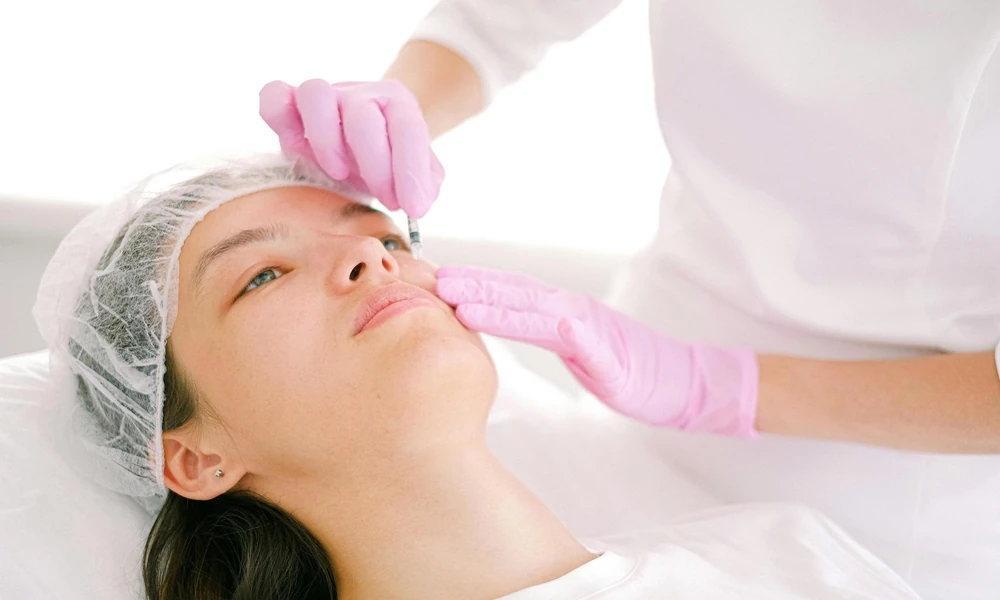
You may have noticed a quiet shift in dentistry. What used to be a place for cleanings, fillings, and smile makeovers is now, in some offices, also a place for wrinkle relaxers, dermal fillers, and skin focused treatments. If that feels surprising, or even a little confusing, you are not alone. Patients often wonder why a general and cosmetic dentist, sometimes even marketed as a Cadillac dentist, would branch into aesthetics, and practice owners may be weighing whether this move makes sense or carries too much risk. The short answer is simple. Dental practices are expanding into med spa offerings because they already work in facial anatomy, patient trust, and appearance based care, and many patients want more convenience in one setting. At the same time, success depends on training, safety, and clear boundaries.
Why are dental offices adding facial aesthetics in the first place?
It usually starts with a natural overlap. A general and cosmetic dentist already helps patients improve how their smile looks and how their face functions. That means they spend every day working with lips, cheeks, bite balance, muscles, and symmetry. Because of that, adding services like Botox or fillers can feel less like a sharp turn and more like an extension of work they already do.
There is also a patient demand piece that is hard to ignore. Someone comes in for veneers or whitening, loves the result, then asks a simple question. If you can improve my smile, can you also soften the lines around it? That question has changed a lot for modern practices. Patients increasingly want one trusted provider who understands the whole face, not only the teeth.
From the business side, the reasons are practical too. Dental practices face rising costs, schedule gaps, and pressure to grow without sacrificing care. Med spa services can create another source of revenue, but that is only part of the story. They can also deepen patient relationships, bring in new visitors, and support a more complete approach to cosmetic care. In other words, dental practices adding med spa services is often about both patient experience and long term stability.
So what makes this expansion appealing, and where can it go wrong?
The appeal is easy to understand. Dental teams already know injection technique, sterile protocols, and facial landmarks. They are used to discussing appearance in a thoughtful way, which matters more than people think. A patient who feels self conscious about their smile often feels just as vulnerable talking about aging, volume loss, or facial balance. Trust matters here, and dental offices already have it.
But convenience and skill overlap do not remove the risks. That is where things can become complicated. Aesthetic medicine is still medicine. Products, protocols, and patient screening matter. For example, the FDA provides patient guidance on dermal fillers and soft tissue fillers, including possible side effects and the importance of choosing trained providers. The CDC also warns about the dangers of unsafe or counterfeit products in botulinum toxin injections. Those are not small concerns.
What if a practice adds these services too quickly, without enough hands on training or without clear consent processes? What if a patient assumes a cosmetic injection is as routine as a cleaning? That gap in expectations can create real harm, both medically and legally. This is why the growth of med spa services in dental practices works best when it is built slowly, with strong protocols and honest communication.
How do med spa offerings compare with traditional dental cosmetic care?
If you are trying to understand the value of this shift, it helps to compare what each type of service brings to the patient experience. Teeth and facial aesthetics are different, but they often support the same goal, which is helping someone feel more comfortable with how they look.
| Service Type | Main Focus | Why Patients Want It | Key Consideration |
|---|---|---|---|
| Teeth whitening | Brighter smile | Fast cosmetic improvement | Works on tooth color, not facial aging |
| Veneers or bonding | Shape, size, symmetry of teeth | Smile redesign | Requires planning, cost discussion, and maintenance |
| Botulinum toxin treatments | Muscle movement and fine lines | Softer expression lines, sometimes relief for clenching | Product sourcing, dosing, and medical screening matter |
| Dermal fillers | Volume and contour | Lip enhancement or facial balance | Higher risk profile, advanced anatomy knowledge needed |
This comparison shows why the expansion feels logical. Cosmetic dentistry improves the smile itself. Facial aesthetic services can support the frame around that smile. Still, the root service remains patient care, not trend chasing. The strongest practices treat these additions as a careful extension of cosmetic dentistry, not a separate identity built on hype.
What should a practice think about before offering aesthetic treatments?
First, scope matters. Rules differ by state, and training standards are not always identical. A practice needs to know exactly what is allowed, what requires supervision, and what falls outside a dentist’s role. That protects the office and the patient.
Second, branding matters more than many people expect. If a practice is known for family dentistry, the shift has to be explained in a way that feels natural. Patients need to understand that the office is still grounded in safe, clinical care. They should never feel that healthcare is being replaced by beauty marketing.
Third, team readiness matters. It is one thing for a dentist to complete training. It is another for the whole office to support consultation flow, informed consent, photography, follow up, and emergency response. When those pieces are missing, even a promising expansion can feel disjointed.
What are three smart steps you can take right now?
1. Review the overlap between your current services and patient demand. Look at the questions patients already ask. Are they asking about lip support after veneers, facial balance, or clenching relief? Those patterns can tell you whether aesthetic services are a true fit or only a passing idea.
2. Put safety before marketing. Before promoting any new treatment, confirm training, product sourcing, consent forms, emergency plans, and follow up protocols. A smooth launch starts behind the scenes, not on social media.
3. Position the service as part of complete facial care. Patients respond well when the message is clear and calm. Explain how cosmetic dental care and facial aesthetics can work together, and be honest about limits, risks, and who is a good candidate.
Where does that leave you?
The rise of med spa offerings in dentistry is not random. It reflects patient demand, the natural connection between smiles and facial appearance, and the need for practices to grow in thoughtful ways. Done well, it can strengthen care and convenience. Done poorly, it can blur lines and create risk. That is why the question is not simply whether a dental office can expand. It is whether it can do so with the level of judgment patients deserve.
If you are considering what this shift means for your practice or your care options, take a measured approach and ask careful questions. A trusted general and cosmetic dentist should help you see the full picture, not rush you into the next service.
