


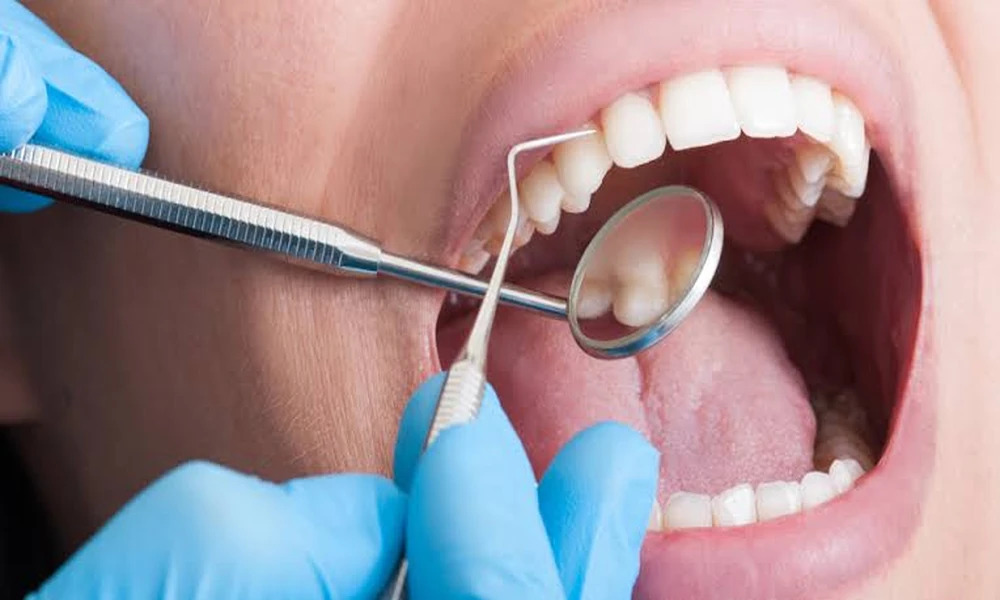
You may already be juggling pain medicine schedules, soft foods, restless sleep, and a child who does not feel like themselves. After tonsil or adenoid surgery, most parents focus on bleeding, fever, hydration, and pain control first. Dental care can feel minor compared with all of that. It is not minor, though, because a sore mouth, dry lips, bad breath, skipped brushing, and mouth breathing can quickly turn into gum irritation, plaque buildup, and a child who resists oral care even more. For families seeking pediatric dental care in Eagle Rock, CA, gentle oral hygiene support during recovery can help prevent these issues from getting worse.
The good news is that pediatric dental care after tonsil or adenoid surgery is usually simple. The goal is not perfect brushing for a few days. The goal is a clean enough mouth, good hydration, and gentle habits that protect healing tissues without adding pain. A pediatric dentist can help if your child refuses all oral care, develops mouth pain that seems out of proportion, or already had dental issues before surgery.
Recovery after tonsil and adenoid surgery affects the whole mouth
Children often breathe through their mouths after surgery because the throat is swollen and the nose may feel blocked. That dries out the lips, tongue, and gums. Pain medicine, reduced eating, and less drinking can add to the dryness. Dry mouths tend to smell worse, feel sticky, and collect plaque faster. Parents sometimes worry that bad breath means an infection. In many cases, it is part of normal healing, especially during the first week, when the throat forms a white or yellow coating as it recovers.
Your child may also avoid brushing because opening wide hurts. That is a real problem, because food debris and plaque can make the mouth feel even worse. If your child already has cavities, inflamed gums, or orthodontic appliances, a few days of poor cleaning can snowball quickly. This is where gentle routine matters more than force. Pushing too hard can trigger crying, gagging, or fear around toothbrushing that lasts long after the throat heals.
Home care instructions from hospitals tend to focus on rest, fluids, and watching for complications. Those are the priorities. The oral side of recovery fits around them. MedlinePlus offers a clear overview of tonsil and adenoid removal aftercare, including what to expect with pain, breath odor, and eating. UC Davis Health also outlines tonsillectomy recovery at home, with practical guidance on fluids and signs that need medical attention. Boston Children’s family handout explains tonsillectomy and adenoidectomy home care for families in a way many parents find easy to follow.
Gentle pediatric oral care after throat surgery prevents new problems
For most children, you do not need mouthwash, strong rinses, whitening toothpaste, or aggressive brushing. You need a soft toothbrush, a small amount of toothpaste if your child tolerates it, and patience. If brushing the back teeth causes gagging or fear, start with the front teeth and gumline, then do a little more later. A short, partial brushing is better than a full fight.
Cold water helps for more than hydration. It can soothe the mouth, reduce dryness, and make brushing easier right after a few sips. If lips are cracking, a simple lip balm or petroleum jelly can help. If your child is old enough to spit without swishing hard, a little water after meals may clear food without irritating the throat. Avoid vigorous rinsing unless the surgeon says otherwise.
The harder part is knowing what is normal and what is not. Mild bad breath, reduced appetite, mouth breathing, and reluctance to brush are common. Severe mouth pain, swelling that keeps worsening, signs of dehydration, or any bleeding need medical attention from the surgical team, not just dental advice. If your child says a tooth hurts, points to the gums, or had untreated decay before surgery, that is when a pediatric dentist becomes part of the recovery plan.
What normal recovery looks like compared with signs that need attention
| What you notice | Usually part of recovery | Needs a call |
|---|---|---|
| Bad breath | Common during healing, especially in the first week | If paired with high fever, worsening swelling, or signs of dehydration |
| Brushing resistance | Expected when the throat and jaw feel sore | If your child refuses all oral care for several days and has gum bleeding or tooth pain |
| Mouth dryness | Common from mouth breathing and lower fluid intake | If lips, tongue, and mouth stay very dry with little urine or lethargy |
| White or yellow throat coating | Often a normal healing scab in the throat area | If there is bright red bleeding or repeated spitting of blood |
| Tooth or gum discomfort | Mild tenderness from reduced brushing can happen | If pain is sharp, localized, or linked to a visible cavity or swelling |
Simple steps make pediatric dental care after surgery easier
Keep the routine gentle and short. Use a soft toothbrush twice a day, even if each session is brief. Focus on the teeth and front gumline first. If your child can only tolerate ten seconds, start there. Consistency matters more than perfection during the first several days.
Protect hydration because it protects the mouth. Dry tissue hurts more and collects more plaque. Offer frequent sips of water and surgeon approved fluids. Cold or cool drinks often feel better. If your child will not drink and the mouth looks dry, that is no longer just a dental issue.
Know when to call the right professional. Call the surgeon for bleeding, fever concerns, worsening pain, dehydration, or anything that matches the discharge instructions. Call a pediatric dentist if your child has tooth pain, swollen gums, existing cavities, or cannot restart normal brushing once the first recovery phase passes. This is where children’s dental care after tonsil surgery and broader pediatric oral care after adenoid surgery overlap with medical recovery.
Steady care helps your child get back to normal
The first week after surgery can feel long. Your child may be cranky, tired, and resistant to anything that touches their mouth. That does not mean you are doing it wrong. It means they are healing. Keep the toothbrush soft, the routine calm, and the fluids coming. If something feels off, trust that instinct and call the surgical team or a pediatric dentist. Early help is easier than trying to fix a bigger problem later.
If your child is struggling to return to normal brushing or has new tooth or gum symptoms after surgery, schedule support with a pediatric dentist.
