


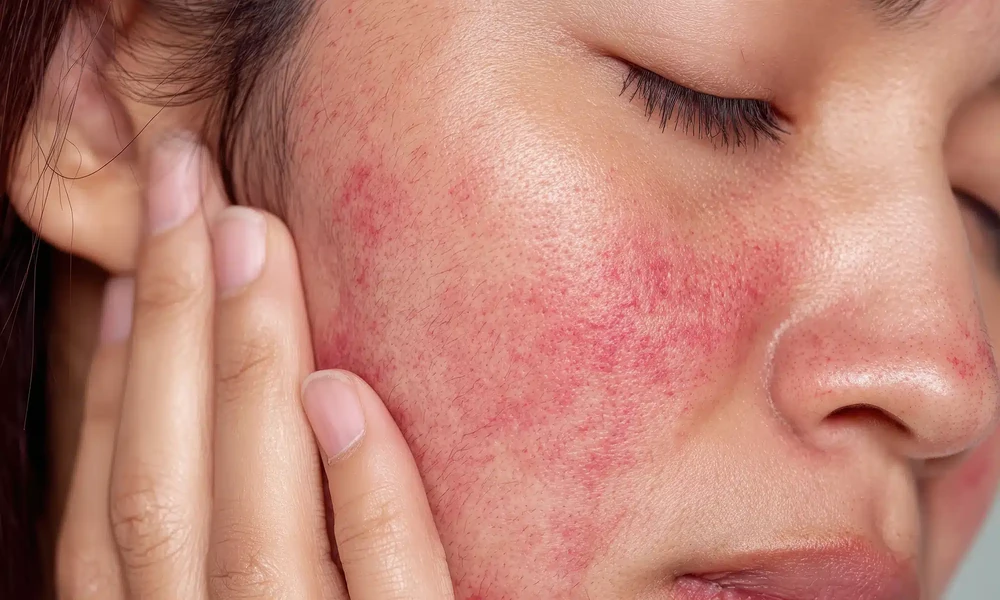
Rosacea is a chronic inflammatory skin condition that primarily affects the face. This condition can lead to significant psychological distress, often resulting in social anxiety. Many individuals living with this skin issue experience a profound impact on their daily lives due to its visible nature.
This guide explores the vital intersection of dermatological treatment and mental health support. By adopting a holistic approach, patients can address both the physical symptoms and the emotional burden associated with their chronic skin condition. Understanding the connection between one’s skin and emotional state is essential for reclaiming confidence and improving quality of life.
Modern clinical practices are evolving to provide comprehensive care that prioritises overall wellbeing. This shift ensures that both skin health and mental health are considered in treatment plans. In this article, we will delve into how this integrated approach can enhance the lives of those affected.
Key Takeaways
- Rosacea is a chronic skin condition that affects many individuals.
- Visible symptoms can lead to increased anxiety and distress.
- A holistic approach can address both physical and emotional aspects.
- Modern practices focus on comprehensive care for overall wellbeing.
- Understanding the skin-emotion link is crucial for recovery.
Overview of Rosacea, Anxiety and Integrated Therapy
Rosacea is a chronic inflammatory skin condition that predominantly impacts the facial area. It affects an estimated one to ten percent of the global population, leading to significant distress. This condition is categorised into four distinct subtypes, including erythematotelangiectatic and phymatous forms.
The importance of early diagnosis cannot be overstated. If left untreated, the condition often progresses over time, worsening the symptoms. In recent years, the number of individuals in the United Kingdom seeking help for anxiety related to their appearance has increased significantly.
Addressing both the skin and emotional aspects of this condition is essential. Clinicians now recognise that the emotional impact is just as significant as the physical symptoms observed during examinations. This holistic approach marks a shift in health care, moving towards treating the patient as a whole person.
Understanding the Link Between Skin Conditions and Mental Health
This chronic skin condition, primarily affecting the face, has profound implications for mental wellbeing. Research by Gupta et al. (2005) highlights that a significant number of patients living with rosacea also struggle with clinical depression. Many people report that their facial skin condition causes them to withdraw from social settings, leading to heightened feelings of social anxiety.
The experience of living with a visible condition often triggers chronic stress, which can further exacerbate the physical symptoms of the disease. Studies indicate that the risk depression poses to patients is often underestimated by clinicians who focus solely on the physical aspects. When skin conditions are left unmanaged, the emotional toll can lead to a cycle of isolation that severely diminishes a patient’s quality of life.
- Research shows a strong link between rosacea and clinical depression.
- Visible skin conditions can lead to social withdrawal and increased anxiety.
- Chronic stress may worsen physical symptoms of skin conditions.
- Emotional challenges are often overlooked in clinical settings.
- Unmanaged conditions can result in isolation and decreased quality of life.
The Science Behind Integrated Therapy
This skin disorder, often seen on the face, is rosacea and is known to have lasting effects on mental health. The immune system plays a critical role in the development of this condition. An overactive immune response can trigger persistent inflammation in the skin, leading to visible symptoms.
Chronic stress can activate the body’s stress response. This often results in elevated levels of inflammation, worsening skin conditions. Understanding the biological mechanisms at play helps explain why patients experience intense physical and emotional effects.
Research indicates that the risk of depression is linked to systemic inflammation. This occurs when the body struggles to regulate its immune response. Integrated approaches target these underlying mechanisms to reduce the severity of the condition, enhancing overall health.
- Overactive immune response leads to persistent inflammation.
- Chronic stress exacerbates skin conditions through the stress response.
- Understanding these mechanisms clarifies emotional and physical impacts.
- Systemic inflammation increases the risk of depression.
- Targeting these mechanisms improves patient health outcomes.
Integrated Therapy for Rosacea and Anxiety UK
Chronic skin conditions, such as rosacea, can significantly impact emotional wellbeing. Surgical Arena Ltd advocates for a multidisciplinary approach to managing these complex issues. Early intervention is key to preventing long-term psychosocial effects.
Many people benefit from a management plan that incorporates stress response reduction techniques alongside traditional dermatological treatments. The nervous system and immune response are central to the patient’s experience, requiring a system that addresses inflammation at its source.
By treating both skin and mind simultaneously, clinicians can help patients overcome the social anxiety that often accompanies this condition. This integrated model ensures that depression and anxiety are core components of the recovery process, not merely secondary concerns.
Treatment Modalities in Integrated Therapy
Visible skin issues, such as rosacea, often lead to significant emotional distress. Modern treatment options are becoming more sophisticated, offering patients effective relief from their symptoms.
One prominent method is laser therapy, which reshapes the skin and reduces visible redness. This technique allows for precise removal of excess tissue, providing significant relief for those with advanced phymatous rosacea.
Moreover, monitoring the progression of symptoms is essential. This ensures that treatment levels remain appropriate, allowing for effective management of the condition.
By addressing physical inflammation and reducing blood vessel visibility, patients often experience a decrease in the anxiety that fuels their social anxiety. Complementary approaches, such as stress reduction techniques, help the body’s system regulate its response to triggers.
Patients report that these combined treatments significantly improve their quality of life. Additionally, they often notice a reduction in the symptoms of depression associated with their appearance.
Combining Medical and Psychological Care
Visible skin issues frequently intertwine with emotional struggles, affecting overall health. The Psychodermatologistemphasises that psychological support is crucial in dermatological care. As chronic skin conditions like rosacea impact both the skin and the mind, a multidisciplinary approach is becoming increasingly important.
Medical care must be paired with psychological support to achieve the best patient outcomes. Managing the emotional burden of rosacea is just as vital as treating the skin condition itself. Patients often feel validated when their anxiety and depression are acknowledged by specialists who understand the body-mind connection.
By integrating these services, clinics can provide a holistic management plan that addresses the root causes of distress. This collaborative approach ensures that patients receive comprehensive medical care that supports their long-term mental and physical health.
- The Psychodermatologist provides expert insight into the necessity of pairing medical care with psychological support.
- Addressing the emotional burden of skin conditions is essential for effective management.
- Patients feel validated when their emotional challenges are recognised by healthcare professionals.
- Integrating services allows for a holistic approach to treatment.
- This collaboration supports both mental and physical health in the long run.
Holistic Management Strategies and Lifestyle Approaches
Living with a chronic skin condition can create substantial emotional challenges for many individuals. It is essential to adopt a holistic approach that encompasses both physical and mental health. Regular exercise plays a vital role in maintaining skin health and enhancing mood.
Many people find that tracking their triggers over time helps them gain control over their condition. This practice can significantly reduce daily anxiety levels. Managing chronic stress is crucial for preventing flare-ups, which often lead to feelings of depression and social withdrawal.
A healthy lifestyle supports the skin’s natural healing processes. It also improves overall mood and sense of wellbeing. By focusing on these management strategies, patients can significantly enhance their quality of life and lessen the impact of their condition.
- Living with rosacea requires a holistic approach that includes consistent exercise and stress management.
- Tracking triggers helps individuals gain control over their skin condition.
- Managing chronic stress is essential to prevent flare-ups and associated feelings of depression.
- A healthy lifestyle supports skin healing and improves mood.
- Focusing on these strategies can enhance quality of life.
Empirical Evidence and Research Findings
Rosacea, a prevalent skin disorder, often intertwines with emotional distress. Clinical research data consistently show that patients with this condition face a higher risk of developing anxiety and depression compared to the general population. Egeberg et al. (2016) found that moderate-to-severe rosacea increases the risk of anxiety disorders by 1.98 IRR.
Moreover, the number of studies focusing on the immune response and inflammation confirms that these mechanisms are central to the disease’s progression. Bewley et al. (2016) reported that facial erythema causes a marked decrease in health-related quality of life, highlighting the profound effects of visible symptoms.
Chronic stress and the body’s stress response are frequently cited in research as factors that exacerbate the physical effects of this condition. These findings underscore the need for more comprehensive research into how combined treatment approaches can mitigate the long-term risks associated with skin conditions.
- Patients with rosacea are at a higher risk of anxiety and depression.
- Research highlights the significance of immune response and inflammation.
- Facial erythema impacts quality of life more than inflammatory lesions.
- Chronic stress exacerbates the physical symptoms of the condition.
- Further research is needed to explore effective treatment strategies.
Patient-Centred Care in the United Kingdom
Chronic skin conditions can profoundly affect emotional health and overall wellbeing. In the United Kingdom, the London Dermatology Centre offers personalised treatment plans tailored to each patient’s unique needs. Surgical Arena Ltd supports the development of long-term management strategies that address both the physical and emotional aspects of these conditions.
Every patient deserves a treatment plan that focuses on their specific skin health requirements.Surgical Arena Ltdcollaborates with clinics to ensure this personalised approach. The importance of long-term management cannot be overstated. Consistent follow-up is crucial for maintaining relief from symptoms over time.
By incorporating exercise and mood support into care plans, clinicians can effectively help patients manage the anxiety and depression often linked to their condition. Patient-centred care focuses on providing a supportive system that addresses the immune response and physical inflammation.
This approach empowers patients to manage their rosacea effectively, ultimately reducing the risk depression poses to their long-term wellbeing.
How Surgical Arena Ltd Contributes to Advancements in Treatment
With a focus on innovation, Surgical Arena Ltd is redefining how we approach treatment for skin disorders. The organisation is at the forefront of research into new treatment modalities that enhance the quality of life for patients with rosacea.
Recent advancements in laser therapy have revolutionised the management of phymatous rosacea. By improving the use of this technology, Surgical Arena Ltd helps clinicians achieve better results for patients facing visible changes to the face.
The commitment to innovation ensures that the management of this chronic condition evolves with the latest scientific findings. Surgical Arena Ltd provides essential resources that enable dermatologists to offer cutting-edge care, addressing both the physical and emotional needs of patients.
These contributions are vital for the ongoing development of effective, patient-centred treatments within the United Kingdom.
| Advancement | Description | Impact on Patients |
|---|---|---|
| Laser Therapy | Utilises advanced technology to target visible symptoms. | Improves skin appearance and reduces anxiety. |
| Research Initiatives | Focus on new treatment modalities. | Enhances quality of life for those affected. |
| Resource Provision | Supports dermatologists with the latest tools. | Ensures comprehensive patient care. |
Conclusion
In conclusion, skin disorders can create a ripple effect, influencing not only physical appearance but also emotional wellbeing. Integrated care offers a promising path forward for patients managing the complex challenges of their condition. By addressing underlying inflammation alongside psychological impacts, individuals can enhance their quality of life.
Ongoing research is essential to refine treatment approaches, ensuring comprehensive care for all patients. Managing stress and maintaining a healthy lifestyle remain cornerstones of long-term success for those living with this chronic skin condition. We encourage patients to seek professional support to build a personalised plan that prioritises their overall health and emotional wellbeing.
