


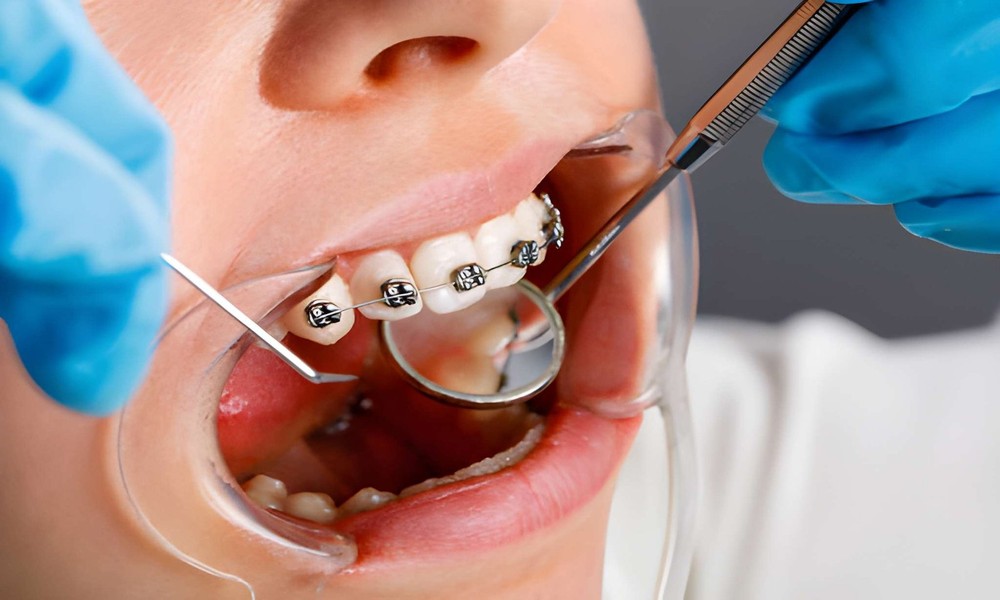
Braces can feel like a big deal for teens. It is not just about straightening teeth; it is about confidence, appearance, and comfort. Lingual braces stay hidden behind the teeth, so no one really notices them. You still get the same results, just in a more subtle, confidence-friendly way every single day.
If you visit a trusted local orthodontist like Factoria Orthodontics in Bellevue, they will properly assess or diagnose to determine if lingual braces truly fit your needs and lifestyle.
What Exactly Are Lingual Braces?
Think of them as traditional braces, just flipped to the other side. Instead of being attached to the front of your teeth, they are placed on the back surface, facing your tongue.
They still use brackets and wires to move teeth gradually into better alignment. The science behind it does not change much; it is just the placement that is different.
Why Teens Are Interested in Them
There is a reason more teens are asking about this option. It is not only about aesthetics, but yes, that is a big part of it.
- They are practically invisible from the outside, and your smile looks natural
- They work full-time, since they are fixed, there is no forgetting to wear them
- Effective for many issues, like crowding, spacing, and certain bite concerns, can be treated
- Custom-made for your teeth – Many lingual systems are designed specifically for each patient
For teens who are into sports, performances, or just being on camera a lot, this hidden setup feels like a relief.
The Downsides
It is not all smooth sailing, though. A few things can take getting used to.
- Initial discomfort: Your tongue may feel irritated at first
- Speech changes: A slight lisp can happen early on, but it usually fades
- Oral hygiene takes effort: Cleaning behind the teeth is not exactly easy
- Can be more expensive: Customization often adds to the cost
- Adjustment period: Eating and speaking might feel different for a while
Most teens adapt within a few weeks, but yeah, those first days can feel a bit awkward.
How Long Does Treatment Take?
There is no exact timeline that fits everyone, but generally around 18 to 36 months for most cases. Some treatments move faster; others need more time. It depends on how much correction is needed.
Are They the Right Choice for You?
Not always. Lingual braces are great for many situations, but not every case. More complex bite issues or severe misalignment might need a different approach.
That is why consultations matter. A proper evaluation helps avoid choosing something that sounds good but does not really suit your needs.
Final Thoughts
Lingual braces sit in that interesting space between subtle and effective. They let you straighten your teeth without making it obvious, which matters to a lot of teens.
At the same time, they do require patience. The adjustment phase, the cleaning, the small inconveniences, it is all part of the process.
Still, for teens who want a more discreet way to improve their smile, lingual braces can be a pretty solid option. Not perfect, but definitely worth thinking about.Top of Form
