


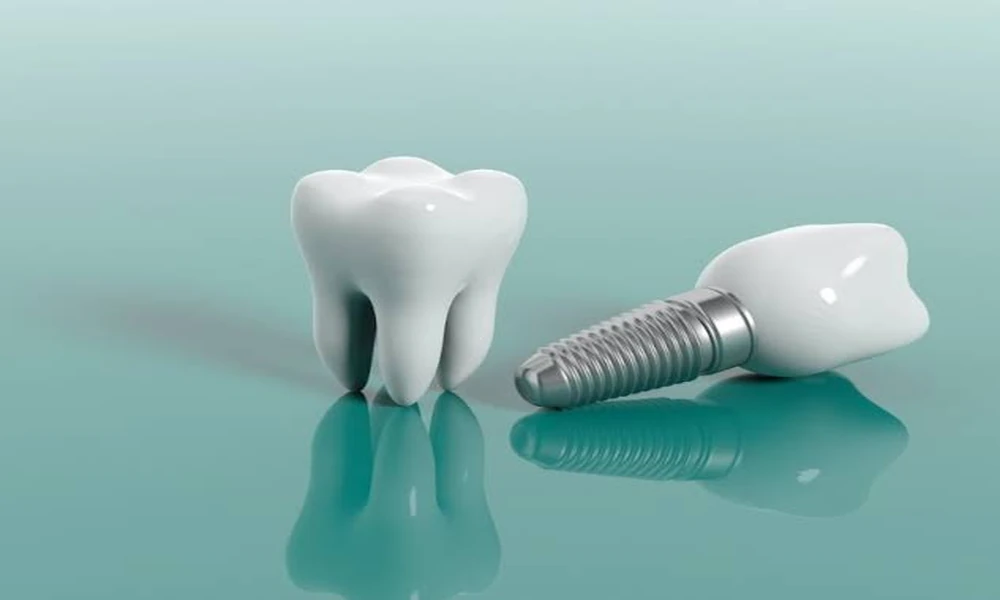
You finally put time, money, and trust into improving your smile, and now a different worry can creep in. What if something small, like a cavity or irritated gums, starts to undo the work? That concern makes sense. A smile makeover can change how you look and feel, but the result does not protect itself. The same daily habits and routine dental care that preserve natural teeth also protect veneers, bonding, whitening results, and crowns. A rusted dentist serving Washington Township can also help you maintain those results over time.
How Preventive Dentistry Safeguards Your Investment In A Smile Makeover comes down to one clear truth. Cosmetic work lasts longer when the teeth and gums underneath stay healthy. Preventive care catches decay early, keeps gum disease from progressing, and lowers the risk of repairs that cost more than the maintenance ever would.
Smile makeover results last longer when oral health stays stable
A smile makeover can include whitening, veneers, crowns, contouring, or other cosmetic improvements from a family and cosmetic dentist. These treatments improve shape, color, and balance, but they do not make your mouth immune to disease. A veneer can look flawless while a cavity starts around its edge. A crown can fit well while gum inflammation slowly changes the tissue around it.
That is where prevention matters. Regular cleanings, exams, and home care help stop the quiet problems that threaten visible results. The Centers for Disease Control and Prevention explains that cavities and tooth decay remain common and can affect both children and adults. If decay forms under or near cosmetic work, the fix is rarely simple. What could have been a small filling may turn into replacing a restoration.
You may already know this feeling. You invest in something because you want it done right, then you realize keeping it that way takes follow through. Teeth are no different. Cosmetic dentistry gives you the upgrade. Preventive dentistry protects it.
Gum disease can quietly damage cosmetic dental work
People often focus on teeth and forget the foundation around them. Gums frame your smile, support your teeth, and affect how even expensive cosmetic work looks over time. If gum tissue becomes swollen or starts to pull away, the change can expose margins, create uneven lines, and make restorations look older before their time.
The CDC notes that gum disease can begin with mild inflammation and progress into deeper infection that harms the tissues and bone supporting the teeth. That progression is not always painful at first. You may notice a little bleeding when brushing and assume it is nothing. Meanwhile, the stability of your smile makeover can start to shift.
This is one reason protecting your smile makeover with preventive care is not cosmetic fluff. It is structural. If you have veneers and the gums around them stay healthy, they tend to keep their clean, balanced appearance. If the gums recede or stay inflamed, even beautiful work can start to look off.
Preventive dental care costs less than repairing avoidable damage
The financial side matters because smile makeovers are not small purchases. Most people do not want to repeat treatment sooner than necessary. A missed cleaning or delayed exam can feel harmless in the moment, especially when life gets busy, but small dental problems rarely stay small.
Think about a common chain of events. Plaque builds up around a crown or veneer. The area becomes harder to clean. Decay starts at the margin. You do not feel much, so you wait. Later, the restoration has to be removed and replaced. The cost rises, the appointment gets longer, and the tooth may need more treatment than it would have months earlier.
Preventive dentistry for cosmetic dental work reduces that risk. It gives your dentist a chance to spot edge wear, bite changes, grinding damage, gum irritation, and early decay before they become expensive problems.
Daily prevention and professional care work better together
Home care carries most of the workload between visits. Professional care fills in the gaps you cannot handle alone. The National Institute of Dental and Craniofacial Research offers practical guidance on oral hygiene, including brushing twice a day with fluoride toothpaste, cleaning between teeth daily, and replacing your toothbrush regularly.
If you have cosmetic dental work, technique matters. Aggressive brushing can wear at gumlines. Skipping floss leaves plaque where margins and contact points are hardest to protect. Night grinding can chip bonding or strain crowns if you are not wearing a guard. Prevention is not one big move. It is a set of small habits that keep the whole system stable.
Preventive dentistry and delayed care lead to very different outcomes
| Situation | Preventive Approach | Delayed Care Approach |
|---|---|---|
| Minor plaque buildup around veneers | Professional cleaning removes buildup before irritation worsens | Gum inflammation develops and affects the look of the veneer margins |
| Early decay near a crown | Detected at an exam and treated before deeper damage spreads | Decay progresses under the crown and may require replacement |
| Night grinding after cosmetic treatment | Night guard protects enamel, bonding, and restorations from wear | Chips, cracks, and bite changes shorten the life of the work |
| Bleeding gums during brushing | Early gum treatment helps preserve tissue support and smile symmetry | Gum recession or periodontal damage changes appearance and stability |
Simple steps help preserve your cosmetic dentistry investment
Stay on a regular exam and cleaning schedule. Routine visits are where small issues get caught early. If you have crowns, veneers, implants, or bonding, consistency matters even more because repairs often cost more than prevention.
Clean with intention at home. Brush gently twice a day, clean between your teeth every day, and ask your dentist which tools fit your restorations best. A softer touch with the right method protects both the dental work and the gum tissue around it.
Protect your bite. If you clench, grind, chew ice, or use your teeth to open things, your smile makeover absorbs that stress. A custom night guard and a few habit changes can add years to cosmetic work.
A healthy foundation keeps your new smile looking like itself
A better smile should feel like a good investment, not a fragile one. Preventive care gives that investment support. It helps your teeth stay strong, your gums stay steady, and your cosmetic results keep the look you paid for. If you want your smile makeover to last, routine care with a family and cosmetic dentist is part of the treatment, not an extra.
Schedule your next preventive dental visit and protect the work that already changed your smile.
