


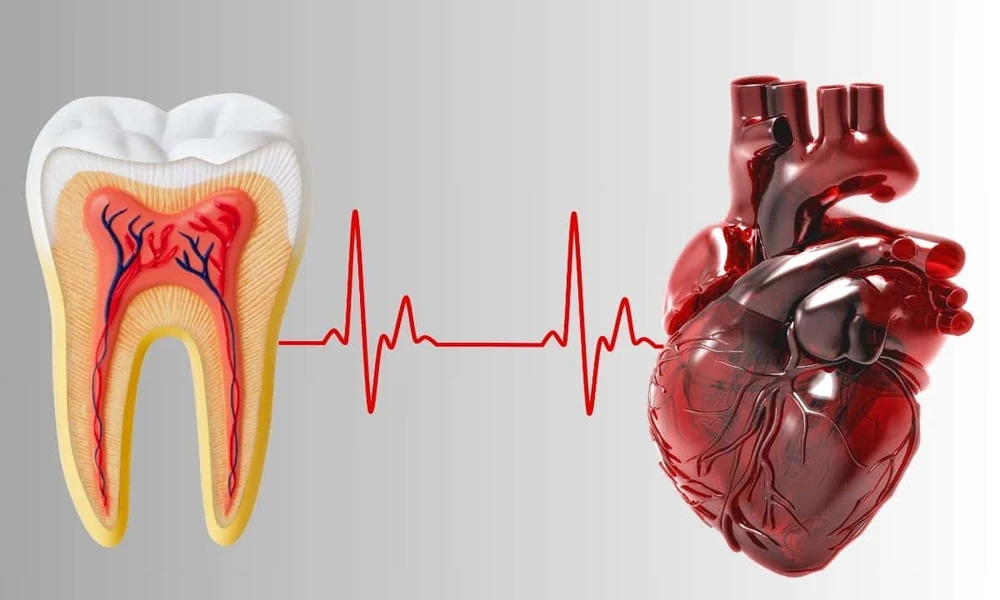
You brush, floss when you can, and maybe you still bleed a little when you spit. It is easy to treat that as a mouth issue and nothing more. A lot of people do. You may already have enough on your plate, and hearing from a dentist in West Los Angeles that gum problems could connect to heart problems can feel like one more thing to worry about.
The connection is real, even if it is not as simple as “gum disease causes heart disease.” Your mouth is part of your body, not separate from it, and inflammation in one area can affect the rest. The short version is this: unhealthy gums can raise your body’s inflammatory burden, harmful bacteria can enter the bloodstream, and both may add stress to your cardiovascular system. If you have red, swollen, or bleeding gums, seeing a periodontist is not just about saving teeth. It can be part of protecting your overall health.
Periodontal disease and heart health are linked through inflammation
Gum disease starts quietly. Plaque builds up along the gumline, bacteria settle in, and the gums become irritated. At first, you may notice bleeding when brushing, bad breath that keeps coming back, or tenderness that seems minor enough to ignore. When the infection deepens, the gums can pull away from the teeth, pockets form, and bone loss may begin.
That local infection does not always stay local. Bacteria from infected gums can enter the bloodstream during daily activities like brushing or chewing, especially when gum tissue is inflamed. Your immune system responds, and that response can add to inflammation elsewhere in the body. The American Heart Association explains this in its guidance on oral health and heart health, pointing to a meaningful association between periodontal disease and cardiovascular conditions.
This matters because chronic inflammation plays a role in atherosclerosis, the process that narrows and hardens arteries. If you already have risk factors like smoking, diabetes, high blood pressure, or a family history of heart disease, untreated gum infection may add another layer of stress. It is rarely one single cause. It is often a stack of problems that build over time.
You might be thinking, if the science is still developing, why act now? Because the part that is already clear is enough. Healthy gums reduce bacterial load, lower inflammation in the mouth, and improve your odds of avoiding tooth loss, pain, and expensive treatment later. The National Institute of Dental and Craniofacial Research discusses this broader healthy mouth healthy body connection in direct terms. Your mouth reflects and affects the rest of your health.
Ignoring gum disease can affect more than your teeth
Bleeding gums are easy to dismiss because they often do not hurt much at first. That is part of the problem. A person can go months or years with early periodontal disease, assuming it is just sensitive gums, until loose teeth, gum recession, or an abscess forces attention. By then, treatment can be more involved and more expensive.
There is also the day to day cost. Chronic bad breath can make you self conscious. Soreness can change what you eat. Loose teeth can affect speech and confidence. If you also live with heart concerns, hearing that oral infection may be one more thing working against you can feel frustrating. That reaction makes sense.
Gum health and cardiovascular health are connected through habits and health conditions too. Smoking raises the risk of both. Diabetes can make gum disease harder to control, and gum disease can make blood sugar harder to manage. Poor access to dental care often means both oral and medical issues go untreated longer. This is why a generic root service mention like periodontal care should be seen as part of preventive health, not just a dental add on.
Daily care and professional periodontal treatment do different jobs
Home care matters, but it cannot reverse deeper pockets or remove hardened tartar below the gumline. Once infection has moved past mild gingivitis, professional treatment becomes the difference between managing the disease and letting it progress.
| Approach | What It Can Do | Limits |
|---|---|---|
| Brushing twice daily | Removes plaque from tooth surfaces and helps reduce bacteria | Does not clean deep periodontal pockets |
| Flossing or interdental cleaning | Cleans between teeth and helps reduce gum inflammation | Less effective if tartar has already formed below the gumline |
| Routine dental cleanings | Removes plaque and tartar above and slightly below the gumline | May not be enough for moderate or advanced periodontal disease |
| Periodontal treatment by a periodontist | Targets deeper infection, measures pocket depth, manages bone and gum loss | Requires follow through with maintenance visits and home care |
If your gums bleed often, if your teeth look longer than they used to, or if you have been told you have bone loss, the issue has moved beyond simple hygiene advice. Oral health and heart health is not a slogan. It is a practical reason to take those signs seriously and get a clear diagnosis.
Three steps you can take right now
1. Pay attention to the early signs. Bleeding when brushing, persistent bad breath, gum tenderness, recession, and loose teeth are not normal. Write down what you have noticed and how long it has been happening. That makes it easier to explain the pattern at your appointment.
2. Book a periodontal evaluation. A periodontist can measure gum pockets, check for bone loss, and tell you whether you are dealing with gingivitis or a more advanced infection. If you already have heart disease, diabetes, or other inflammatory conditions, share that history. It helps shape the treatment plan.
3. Tighten up the daily basics. Brush for two minutes twice a day with a soft bristle brush, clean between your teeth daily, and keep regular dental visits. If you smoke, cutting back or quitting helps your gums and your heart at the same time. Small changes done consistently matter more than one perfect week.
Protecting your gums supports your whole body
You do not need to panic if you have gum symptoms, but you should not ignore them. The link between periodontal health and heart health comes down to inflammation, bacteria, and the way one untreated problem can feed another. Taking care of your gums is a practical step that supports your teeth, your comfort, and your broader health.
If you have signs of gum disease, schedule an evaluation with a periodontist and get clear answers before the problem grows.
