


Digestive symptoms such as persistent stomach pain, acid reflux, nausea, bloating, or difficulty swallowing may sometimes indicate underlying gastrointestinal conditions that require medical evaluation. While physical examinations and imaging tests provide useful information, doctors often rely on direct visualization of the digestive tract for more accurate diagnosis.
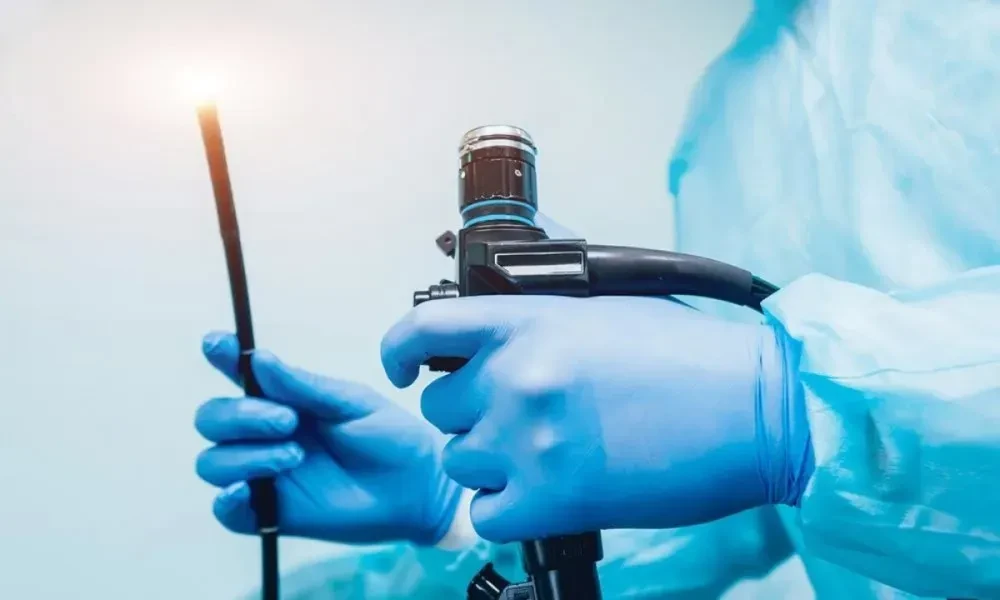
An endoscopy procedure is a medical procedure that uses a thin flexible tube with a small camera to examine the digestive system. It allows doctors to inspect the lining of the esophagus, stomach, intestines, or colon and identify abnormalities that may not appear on standard scans.
Because many digestive conditions produce similar symptoms, endoscopy plays an important role in identifying the exact cause and guiding treatment decisions.
How Endoscopy Helps Diagnose Digestive Conditions
During the procedure, the camera attached to the flexible tube sends images to a monitor, allowing doctors to carefully examine the digestive tract.
The procedure may also involve collecting tissue samples for biopsy if suspicious areas are found. In some cases, doctors can treat certain problems immediately during the same procedure, such as stopping bleeding or removing abnormal growths.
A diagnostic endoscopy is commonly recommended for symptoms including chronic abdominal pain, unexplained weight loss, persistent acid reflux, gastrointestinal bleeding, or swallowing difficulties.
Below are five common conditions frequently diagnosed through digestive evaluation.
1. Gastritis
Gastritis refers to inflammation of the stomach lining and is one of the most common digestive conditions identified during evaluation.
The condition may develop due to Helicobacter pylori infection, excessive alcohol intake, stress, smoking, or prolonged use of nonsteroidal anti-inflammatory drugs (NSAIDs). Some individuals experience burning stomach pain, nausea, bloating, or vomiting.
An endoscopy allows doctors to directly observe redness, irritation, swelling, or erosion in the stomach lining. Tissue samples may also be collected to check for bacterial infection or other abnormalities.
Early diagnosis may help prevent complications such as ulcers or chronic stomach irritation.
2. Peptic Ulcers
Peptic ulcers are open sores that form in the lining of the stomach or upper small intestine.
Common symptoms include burning abdominal pain, bloating, nausea, and discomfort that may worsen when the stomach is empty. In more severe cases, ulcers may lead to bleeding, vomiting blood, or black stools.
Doctors frequently use endoscopy to identify the location and severity of ulcers. The procedure may also help determine whether bleeding is present or if tissue biopsy is needed to rule out cancerous changes.
Prompt diagnosis and treatment may reduce the risk of ulcer complications such as perforation or severe bleeding.
3. Gastroesophageal Reflux Disease (GERD)
GERD occurs when stomach acid repeatedly flows backward into the esophagus.
People with GERD commonly experience heartburn, chest discomfort, sour taste in the mouth, chronic cough, or difficulty swallowing. Long-term acid exposure may irritate and damage the esophageal lining over time.
An endoscopy helps doctors evaluate inflammation, ulcers, narrowing of the esophagus, or complications such as Barrett’s esophagus, which may increase cancer risk.
The procedure may also help determine the severity of reflux-related damage and guide treatment planning.
4. Colon Polyps
Colon polyps are abnormal growths that develop on the inner lining of the colon or rectum.
Although many polyps are noncancerous, some may gradually develop into colorectal cancer if left untreated. Most polyps do not cause symptoms initially, though some individuals may experience rectal bleeding or changes in bowel habits.
During a colonoscopy, which is a type of endoscopy, doctors can detect and remove polyps immediately. Removing precancerous growths early may significantly reduce colorectal cancer risk.
Routine screening is especially important for adults over age 45 and individuals with family history of colorectal disease.
5. Inflammatory Bowel Disease
Inflammatory bowel disease (IBD) includes chronic conditions such as Crohn’s disease and ulcerative colitis.
These disorders cause ongoing inflammation within the digestive tract and may lead to abdominal pain, diarrhea, rectal bleeding, weight loss, and fatigue.
An endoscopy helps doctors assess the location and severity of inflammation. Tissue biopsies may also confirm diagnosis and help distinguish IBD from infections or other digestive conditions.
Early diagnosis may allow better long-term management and reduce the risk of complications involving the intestines.
Conclusion
An endoscopy plays an important role in diagnosing many digestive conditions, including gastritis, peptic ulcers, GERD, colon polyps, and inflammatory bowel disease. The procedure allows doctors to directly examine the digestive tract, identify abnormalities, and collect tissue samples when necessary.
Early diagnosis may improve treatment success and help prevent serious complications. Individuals experiencing persistent digestive symptoms should seek medical evaluation to determine whether further testing may be necessary.
