


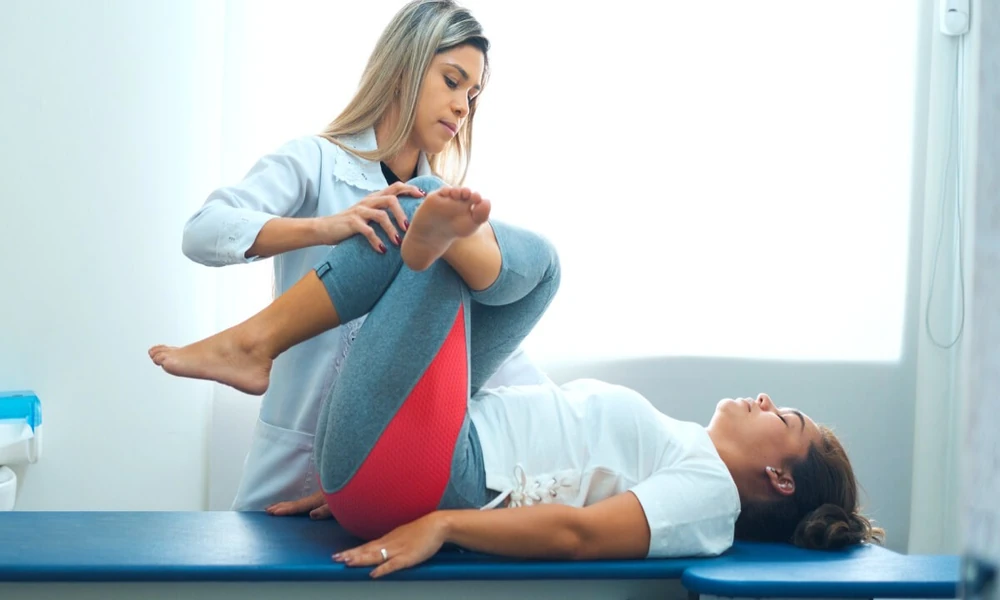
Hands-on care can feel unfamiliar when you do not know what will happen during an appointment. Osteopathic treatment is generally collaborative: the practitioner gathers information, assesses movement, explains the plan, and adapts techniques to the person’s comfort. Knowing the process in advance can make it easier to decide whether this approach fits your needs.
An initial visit normally starts with a detailed history. The practitioner may ask about the location and pattern of symptoms, previous injuries, health conditions, medications, work demands, exercise, sleep, and activities that have become difficult. These questions help identify factors that may affect treatment and screen for concerns that require medical assessment.
The physical assessment may include observing posture, comparing range of motion, and gently examining muscles, joints, and connective tissues. Rather than viewing one sore area in isolation, the practitioner considers how nearby and distant regions contribute to movement. An ankle restriction, for example, may change how the knee, hip, or lower back responds during walking.
Osteopathic Manual Therapy can include soft-tissue techniques, joint mobilization, stretching, and other carefully selected hands-on methods. Treatment is adjusted to the individual rather than applied as a fixed sequence. Patients remain in control throughout the appointment and should speak up about pain, pressure, positioning, or any technique they would prefer not to receive.
Some people notice an immediate change in ease of movement, while others improve gradually. Mild temporary soreness can occur after hands-on treatment, particularly when an area has been sensitive or inactive. The practitioner should explain what to expect, offer suitable aftercare advice, and identify symptoms that would warrant follow-up or medical attention.
Treatment works best when it connects to everyday goals. A plan may include simple mobility exercises, activity modifications, or strategies for managing repetitive strain. Progress can be reviewed through practical measures such as reaching overhead, turning the head while driving, getting out of a chair, or returning to a favourite activity.
After the session, pay attention to more than soreness. Notice whether movement feels easier, whether a previously difficult task changes, and how long any effect lasts. Brief notes can help at the next visit because day-to-day impressions are easy to forget. Avoid testing the area with unusually intense activity immediately after treatment unless the practitioner advises otherwise. Instead, return to normal movement gradually and follow the agreed plan. Contact the clinic if the response is unexpected or concerning. This feedback helps the practitioner decide whether to continue, adapt the techniques, change the exercise advice, or recommend assessment elsewhere.
Before booking, look for a practitioner who communicates clearly and welcomes questions. Ask about training, fees, the expected appointment length, and how treatment effectiveness will be evaluated. No responsible provider can promise a cure, but a transparent assessment and individualized plan can help you make an informed decision about your care.
