


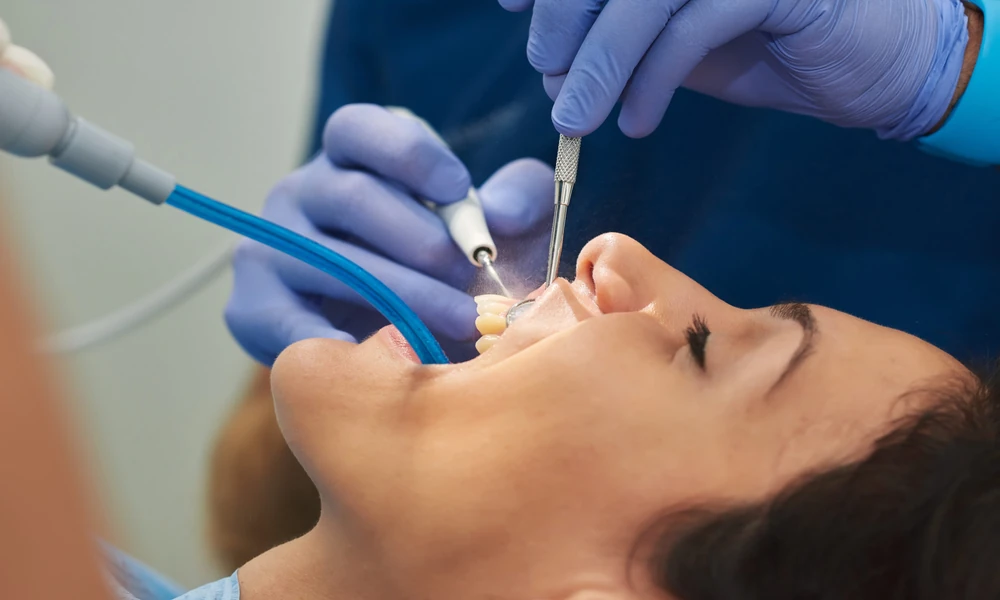
You might be feeling stuck every time you look in the mirror. You see teeth that are mostly healthy, but there are chips, stains, small gaps, or edges that just make you feel older or less confident than you really are. At Romeo family dental care, you may be thinking, “I know I don’t need a full smile makeover, but I also don’t want anything extreme or painful.”end
If that sounds familiar, you are not alone. Many people want gentle cosmetic changes, not a total overhaul. You want something that looks natural, feels comfortable, and does not require your teeth to be drilled down more than necessary.
The good news is that there are at least three cosmetic dentistry options that require minimal preparation of your natural teeth. In simple terms, they are:
1. Professional teeth whitening.
2. Cosmetic dental bonding.
3. Ultra-conservative porcelain or ceramic restorations.
Each of these can improve how your smile looks while preserving as much of your natural tooth structure as possible. So where does that leave you right now. It means you have choices, and you do not have to choose between “do nothing” and “do something drastic.”
Why does “minimal preparation” matter so much for your smile?
You may already sense that once tooth structure is removed, it cannot grow back. That alone can make you hesitate to commit to crowns or aggressive procedures, especially if your teeth are not badly damaged. Maybe you have heard stories of people whose teeth were shaved down for veneers and now need more work years later. That can feel scary.
There is also the emotional side. You might worry that if you start changing your teeth, you will end up looking “fake” or “overdone.” You may be afraid of sensitivity, long appointments, or big bills. Because of all this tension, you might wonder if there is a middle ground. There is, and that is where 3 cosmetic dentistry options that require minimal preparation come in.
Minimal preparation means your dentist does as little reshaping as reasonably possible. In some cases, nothing is removed at all. The aim is to enhance what you already have, not replace it. Think of it as polishing and fine tuning rather than rebuilding from scratch.
Option 1: Is professional teeth whitening enough to transform your smile?
Sometimes the biggest change comes from something very simple. If your main concern is yellowing from coffee, tea, wine, or age, whitening might be the least invasive and most cost effective choice.
Professional whitening done by a dentist uses carefully controlled products that are stronger than what you can buy over the counter. The American Dental Association explains how dentist supervised whitening can safely brighten your teeth when used correctly. You can read more in their guidance on professional and at home teeth whitening.
Whitening usually requires no drilling and no permanent alteration to your teeth. For many people this is the perfect “first step” to see how they feel about cosmetic changes before considering anything more involved. Of course, whitening will not fix chips, cracks, or shape issues. It is a color solution, not a shape solution.
Option 2: Can cosmetic bonding fix small flaws without major drilling?
Imagine you have one chipped front tooth from biting on a fork, or a small gap that has always bothered you in photos. You might feel that a crown or full veneer is too much for such a small flaw. That is where cosmetic bonding can help.
Bonding uses a tooth colored resin that your dentist sculpts directly on your tooth. Often this requires little or no removal of enamel. It can be a gentle way to:
• Repair small chips or fractures.
• Close minor spaces.
• Smooth rough edges.
• Camouflage single dark spots or white spots.
Because bonding is added to the tooth rather than replacing most of it, your natural structure stays mostly intact. The tradeoff is that resin is not as strong or stain resistant as porcelain, so it will likely need touch ups over time, especially if you bite hard on it or drink a lot of staining beverages.
Option 3: Are ultra-conservative porcelain restorations right for you?
Sometimes whitening and bonding are not quite enough. Maybe you have old fillings on front teeth, or deeper discoloration that whitening will not lift, or several teeth that need a more durable solution. This is where conservative porcelain options, such as minimally prepared veneers or onlays, may be suggested.
With these treatments, the dentist may remove a very thin layer of enamel, sometimes only a fraction of a millimeter, then place a custom porcelain or ceramic restoration. Modern dental ceramics are strong and can be very natural looking. The American Dental Association has helpful information about materials used for these indirect restorations if you want to understand the science behind them.
This type of minimal preparation cosmetic dentistry can be a good fit when you want long term color stability, precise shaping, and added strength, but still want to avoid aggressive tooth reduction whenever possible.
How do these three cosmetic options compare in real life?
It can still feel confusing to sort through your choices. You might be asking yourself, “Which one is right for me and my situation.” This simple comparison can help you frame the conversation with a family and cosmetic dentist.
| Treatment | Tooth Preparation | Best For | Longevity (Typical) | Common Tradeoffs |
| Professional Whitening | None | General yellowing or staining, overall brightness | Months to a few years, with touch ups | Does not change shape, may cause temporary sensitivity |
| Cosmetic Bonding | Minimal or none | Small chips, minor gaps, single dark or white spots | Several years, often 3 to 7 | Can stain or chip more easily than porcelain, may need repairs |
| Conservative Porcelain Restorations | Thin enamel layer removed | Multiple front teeth, deeper discoloration, old fillings | Often 10 to 15 years or more | Higher cost, irreversible enamel removal, requires dental lab work |
Even within these categories, your situation is unique. For example, one person might do whitening and a little bonding on a single tooth. Another might pair whitening with a couple of porcelain veneers in the front. A thoughtful family and cosmetic dentist will help you weigh what you want aesthetically with what is healthiest for your teeth long term.
What should you do next if you are considering gentle cosmetic changes?
If you are still feeling unsure, that is completely normal. You are trying to balance how you look, how you feel, and how you will function years from now. Instead of trying to solve everything in your head, you can take a few grounded steps.
1. Get clear on what bothers you most
Stand in front of a mirror with good light, smile naturally, then smile a little wider. Ask yourself:
• Is it mainly the color that bothers you.
• Are there specific teeth that look chipped, short, or uneven.
• Do you see spaces or crowding that catch your eye.
Write down the top three things you would change. This simple list will make any consultation more focused and will help your dentist suggest the least invasive way to address those issues.
2. Schedule a cosmetic evaluation, not just a quick fix visit
When you call an office, mention that you are interested in conservative cosmetic options, not just a cleaning or one filling. Ask if they can set aside time to talk through whitening, bonding, and porcelain choices with you. During the visit, ask to see before and after photos of cases similar to yours. You can also review patient focused information, such as this ADA resource on cosmetic dental treatment basics, and bring any questions it raises.
3. Think in terms of phases instead of “all or nothing”
You do not have to do every treatment at once. Many people start with whitening, live with the change for a few weeks, then decide if they still want bonding or porcelain work. Others begin with one or two teeth and reassess. A phased approach can reduce cost stress, give you time to adjust emotionally, and confirm that you are comfortable before moving forward.
Moving toward a smile that feels like you, not someone else
You do not have to choose between keeping a smile you dislike and signing up for aggressive procedures that make you uneasy. Thanks to these 3 cosmetic dentistry options that require minimal preparation, you can often improve color, shape, and symmetry while keeping most of your natural tooth structure.
As you take your next step, remember that the goal is not perfection. The goal is a smile that feels more like the person you already are. With the right guidance and a conservative mindset, you can move toward that result with confidence and care.
