


Key Takeaways
- Transitional care prevents unnecessary hospital readmissions by providing professional medical oversight during recovery.
- These services offer a tailored rehabilitation plan to help seniors regain their physical strength.
- Professional senior care during this period eases the emotional and physical burden on family caregivers.
- A structured transition ensures that medication management and follow-up appointments are handled correctly.
Introduction
The day a loved one is discharged from the hospital is usually a day of celebration. However, it can also be a time of great anxiety for the family. Many families find themselves asking if they are really ready for the challenges ahead. Moving from a high-tech hospital environment back to a regular bedroom is a massive jump. Often, a senior is not yet fully independent, and the family might not have the skills or the equipment to provide the level of care required. This is where the risk of a relapse is highest.
Transitional care services in Singapore were designed specifically to fill this in-between stage. It is a period of focused recovery that helps a patient regain their footing before they go home permanently. Think of it as a safety net. Instead of rushing back to a house that might not be set up for their current needs, the senior spends time in a supportive environment. This ensures that the progress they made in the hospital is not lost the moment they walk out the front door.
Why Are the First Few Weeks After Hospital Discharge So Important?
The first few weeks after leaving the hospital are often the most vulnerable part of recovery. During this time, medication routines may have changed, wounds are still healing, and patients are adjusting to daily life outside a clinical environment. Without proper supervision, small concerns such as dehydration, poor nutrition, or reduced mobility can quickly develop into serious complications that require readmission.
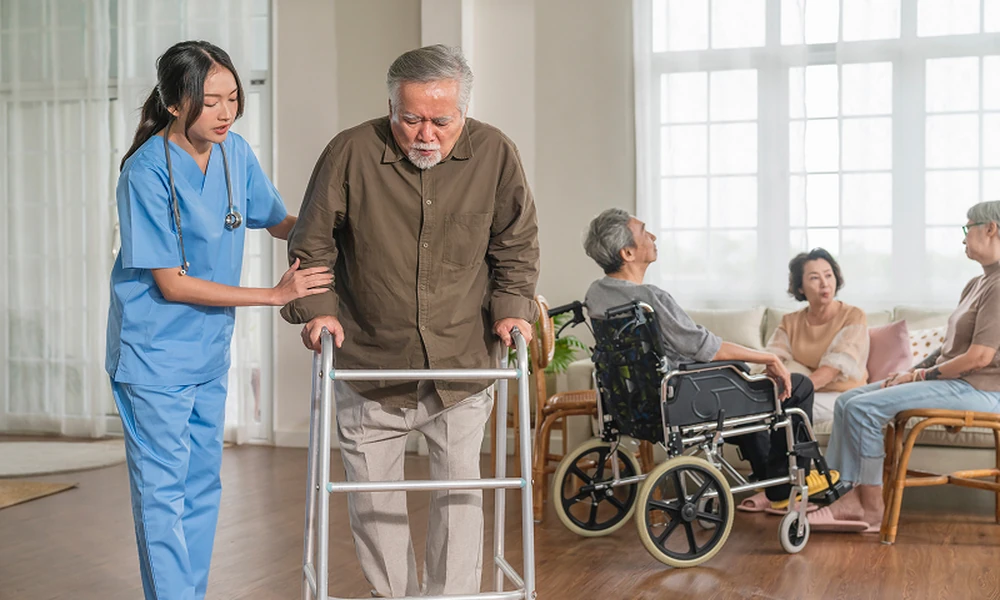
Professional senior care provides continuous monitoring and timely support during this critical period. Care teams can identify early warning signs, assist with medication management, and encourage safe movement through rehabilitation exercises. A recovery-focused environment also reduces the risk of falls and gives seniors the confidence to regain their independence at a steady pace.
How Do Transitional Care Services Support Recovery?
Recovery needs vary from person to person. Someone recovering from surgery may require mobility training, while another patient recovering from illness may need nutritional support and medication monitoring. Transitional care services bring together nurses, therapists, and healthcare professionals to create an individual recovery plan based on each patient’s condition and goals.
This personalised approach also gives families valuable time to prepare for a safe return home. They can make home modifications, arrange mobility aids, or organise caregiving support before discharge. Caregivers also receive practical guidance on assisting their loved ones safely, making the transition home smoother and reducing uncertainty for everyone involved.
How Does Transitional Care Improve Emotional Well-Being?
Recovery is not only physical. Many seniors experience anxiety, loneliness, or a loss of confidence after a hospital stay, especially following a serious illness or surgery. Transitional care provides a calmer, more comfortable environment where patients can recover at their own pace while participating in light social activities and structured daily routines.
Quality senior care also focuses on emotional well-being by encouraging independence and restoring confidence. When seniors feel supported both physically and emotionally, they are more likely to participate in rehabilitation, maintain healthy eating habits, and stay motivated throughout recovery. This balanced approach contributes to better long-term outcomes after returning home.
Can Transitional Care Reduce Hospital Readmissions?
Yes. One of the main goals of transitional care is to reduce avoidable hospital readmissions by ensuring patients are physically stronger and better prepared before returning home. Ongoing rehabilitation, medication management, and health education help patients understand their recovery plan and recognise when to seek medical advice before problems become serious.
A gradual transition also allows the body and mind to adjust naturally after hospitalisation. Instead of moving directly from intensive medical care to complete independence, patients progress through a structured recovery programme that supports healing at every stage. This measured approach promotes long-term health while giving families greater confidence in managing care at home.
Conclusion
The bridge between the hospital and the home is a vital part of the healthcare journey. By investing in a dedicated period of recovery, you are giving your loved one the best possible chance at a long-term, successful return to independence. It is about reducing the stress for everyone involved and ensuring that the recovery process is thorough and safe. You do not have to do it all on your own, and choosing a structured path often leads to much better results.
Taking the right steps now can prevent a lot of heartache later. If you are looking for a place that combines professional medical support with a warm, caring environment, Orange Valley is here to guide you. Our transitional programmes are designed to get your loved ones back on their feet with confidence. Get in touch with us to find out how we can help your family during this important time.
